Arsenal’s Goalkeeper Puzzle Isn’t A Problem. It’s Exactly What Champions Do.

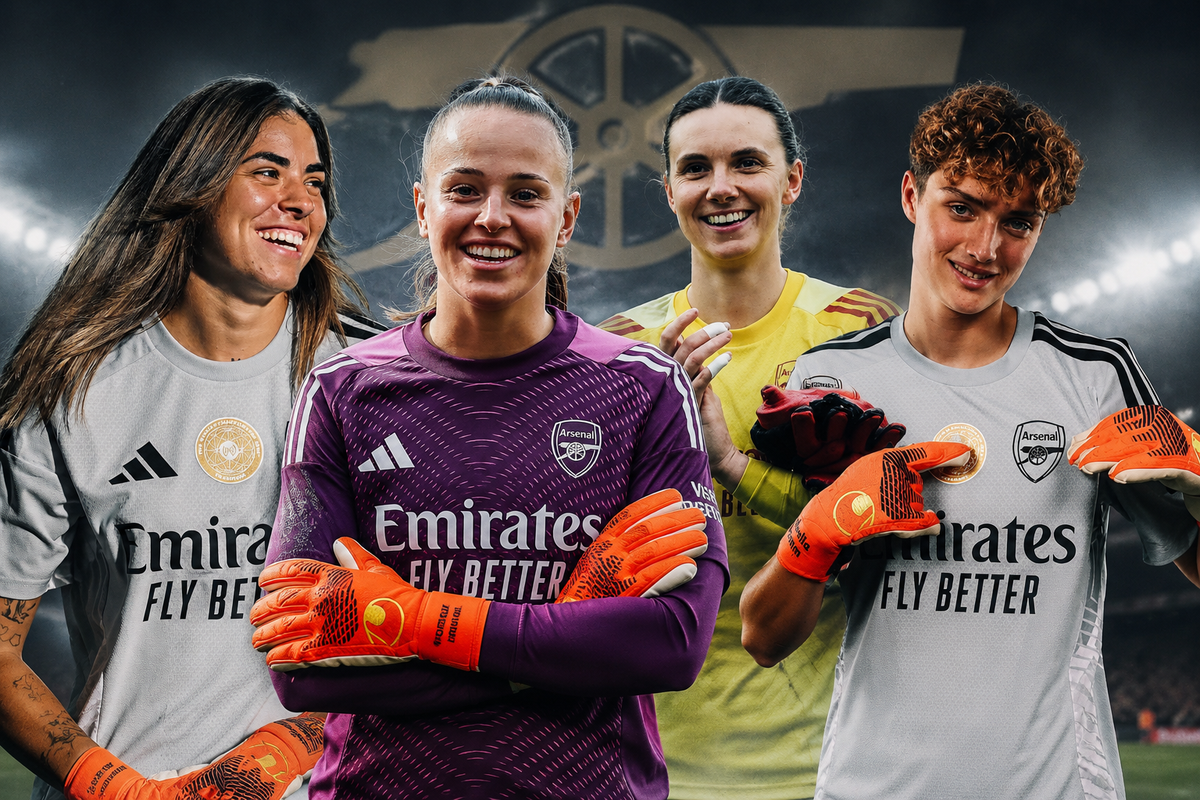
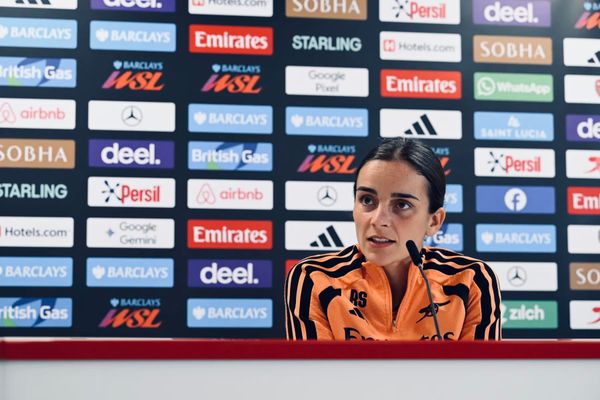
When Arsenal announced the signing of Misa Rodríguez, the reaction from supporters was, I'll say, generally positively mixed. Yep, I'm well aware that sounds a bit contradictory! There was a lot of excitement from lots of fans, because we’ve brought in one of the world’s best goalkeepers, but there was also confusion. What does this mean for Daphne van Domselaar? Where does Annika Borbe fit in? What about young Isa Damm who we signed just a few days before? Have Arsenal suddenly got too many goalkeepers?
It’s a fair question because it’s one I’ve been asked repeatedly over the past week. Looking through the Trailblazers mailbag, almost every question somehow related back to the goalkeeping department.
The more I’ve thought about it, talked about Misa and written about things, the more convinced I am that some of us are looking at this situation the wrong way.
We’re treating it like a selection headache when actually it’s a bold statement of intent.
Why Misa Rodríguez starts the season
Context matters.
Last season Arsenal’s goalkeeping situation held together remarkably well considering everything that happened. People have short memories; Manu Zinsberger missed the entire campaign. Daphne van Domselaar spent much of the season dealing with injury problems before eventually undergoing knee surgery earlier this summer. Annika Borbe stepped in and, after a slightly nervous start, settled brilliantly, despite also playing through injuries herself at times.
By the end of the season there simply wasn’t the depth behind them. Renée Slegers couldn’t really rotate because there wasn’t another senior goalkeeper ready to come in.
Fast forward a few months and the picture looks completely different.
Manu has gone. Naomi Williams has also moved on. Arsenal have brought in 18-year-old Isa Damm, who I expect will spend most of her time developing within the youth setup, and now they’ve signed Misa Rodríguez.
With Daphne expected to miss at least the opening weeks of the season as she recovers from surgery, that leaves Misa and Anneke competing to begin the campaign.
For me, it’s difficult to imagine any scenario where Misa isn’t the starting goalkeeper. She hasn’t signed a three-year permanent contract, with the option of a fourth, to sit on the bench.
This is a two-time Zamora Trophy winner. A World Cup winner with Spain. One of Europe’s elite goalkeepers who chose Arsenal when she had other options available.
You don’t make that signing unless you intend to play her.
Why Misa is such an exciting signing
If you’ve watched Misa regularly in Liga F, you’ll already know what Arsenal Women supporters are about to discover.
She’s incredibly athletic - her reactions are outstanding, she recovers from first saves remarkably quickly and she has that explosive power in her legs that allows her to make saves most goalkeepers simply can’t reach.
She’s actually the shortest of Arsenal’s four goalkeepers, yet you rarely notice because her athleticism compensates for every inch.
Go and watch some of her highlight compilations and you’ll see double saves, triple saves, fingertip stops into the top corner and recoveries that almost seem to defy the laws of physics.
The other aspect I don’t think has been discussed enough is her ability with the ball at her feet. Daphne and Anneke are both very good goalkeepers, but if we’re talking purely about building attacks from deep, Misa operates at another level.
She’s also left-footed.
That might sound like a small detail but left-footed players remain relatively rare in the WSL, particularly in certain positions, and after losing Katie McCabe, another natural left-footer gives Arsenal different passing angles when building from the back.
For a team that increasingly wants to dominate possession, that’s a valuable tactical weapon.
This isn’t about replacing Daphne
One concern I’ve seen is that some supporters have interpreted Misa’s arrival as some sort of vote of no confidence in Daphne van Domselaar.
I don’t see it that way at all - if anything, it’s the complete opposite.
It’s Arsenal acknowledging that if we want to compete for every trophy available, we can’t build a squad that becomes vulnerable every time somebody gets injured.
Last season exposed that - this season the club are addressing it.
When Daphne returns from injury, Arsenal will have proper competition between two goalkeepers capable of starting the biggest matches. Anneke provides outstanding depth behind them and Isa Damm has time to develop without any unnecessary pressure.
That’s exactly what elite squads are meant to look like!
The David Raya comparison
The situation at Arsenal Women actually reminds me of Mikel Arteta’s decision to sign David Raya on the men's side of the club.
At the time, I didn’t understand it. Aaron Ramsdale had helped drag Arsenal back into the Champions League after a few seasons in mid-table wilderness. He’d become hugely popular with supporters and, emotionally, bringing in another goalkeeper felt completely unnecessary.
I was wrong. Arteta wasn’t making an emotional decision. He was making a ruthless one.
He believed that David Raya would give Arsenal a better chance of winning the biggest trophies and, looking back now, it's impossible to argue that he wasn’t vindicated.
I’m not saying the situations are identical because every player and every circumstance is different, but what I am saying is that championship-winning teams don’t avoid difficult selection decisions. They create and then confront them.
Renee Slegers strikes me as exactly the same type of coach. She’s not interested in protecting feelings, whether it's players or supporters, if strengthening the squad improves Arsenal Women’s chances of winning trophies.
Depth wins titles
I’ve also seen the slightly tongue-in-cheek suggestion that Arsenal are simply buying every goalkeeper so nobody else can.
I don’t think that’s what’s happening! If that were the strategy we’d have signed plenty of other world-class players over the past few years as well.
The reality is much simpler: a world-class goalkeeper became available and Arsenal moved quickly and decisively. That’s just what ambitious clubs should do.
When you step back and look across the squad as a whole, Arsenal now have quality almost everywhere. Full-back options are excellent, the midfield is packed with international talent and the forward line is arguably the strongest in the Women’s Super League. Some might even say ridiculously stacked.
The one area where I still think Arsenal need to strengthen is at centre-back. With Leah Williamson’s injury record meaning careful management will always be necessary, another top-class central defender would probably make this close to a perfect transfer window.
But in goal?
I don’t think Arsenal have a problem - they’ve solved one.
The message this signing sends is that Arsenal aren’t building a squad simply capable of competing in all competitions.
They’re building a squad capable of winning all of them.