Why Arsenal Signing Misa Rodriguez Makes Sense
(Even When You Already Love Daphne Van Domselaar & Anneke Borbe!)

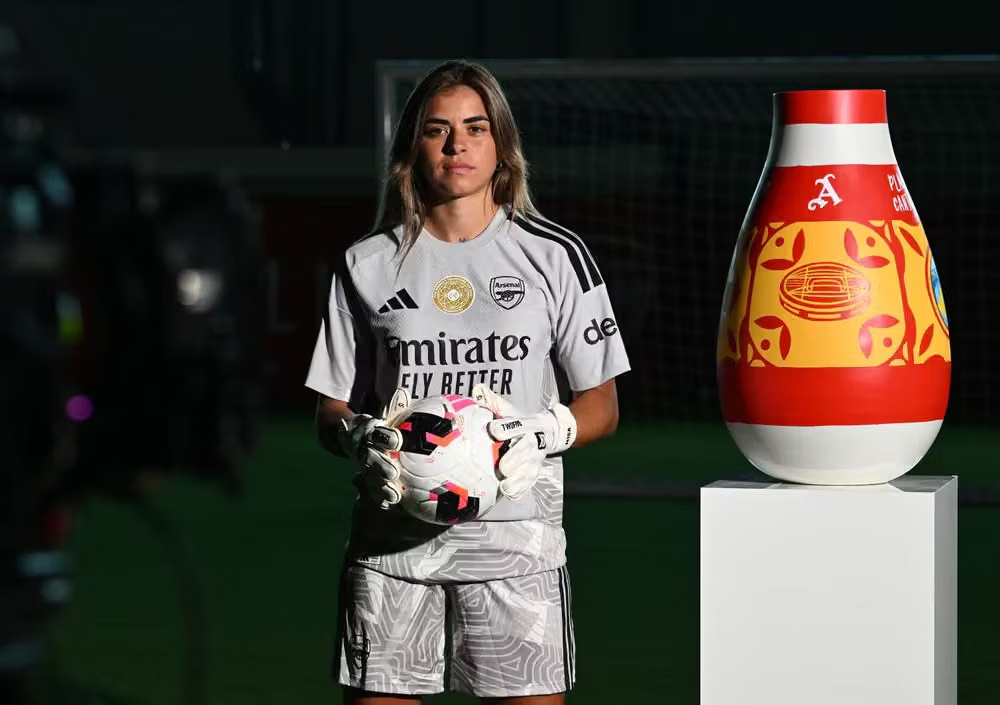
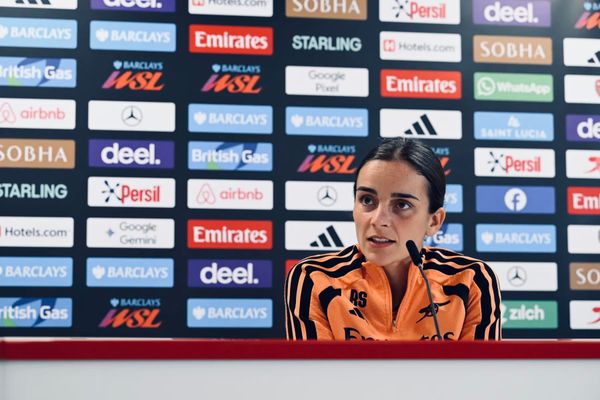
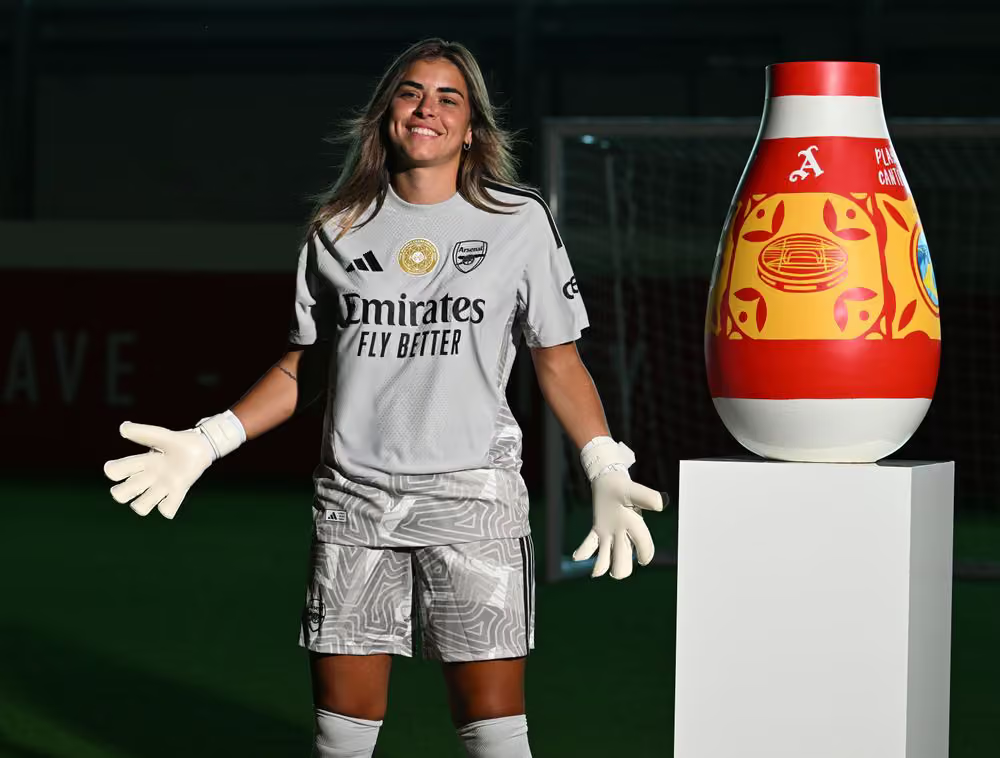
Arsenal Women have confirmed Misa Rodríguez's signing today and, if your timeline looks anything like mine, there’s one big question popping up over and over again.
Why have we signed another world-class goalkeeper when we already have Anneke Borbé and Daphné van Domselaar?
If that’s the question that’s been rattling around in your head, this piece is for you, because I don’t think this is just “another random signing” and I don’t think it’s a case of the club not trusting Anneke or Daphné. I think it’s a statement, and it tells us where Arsenal Women want to go next.
Let's break it down!
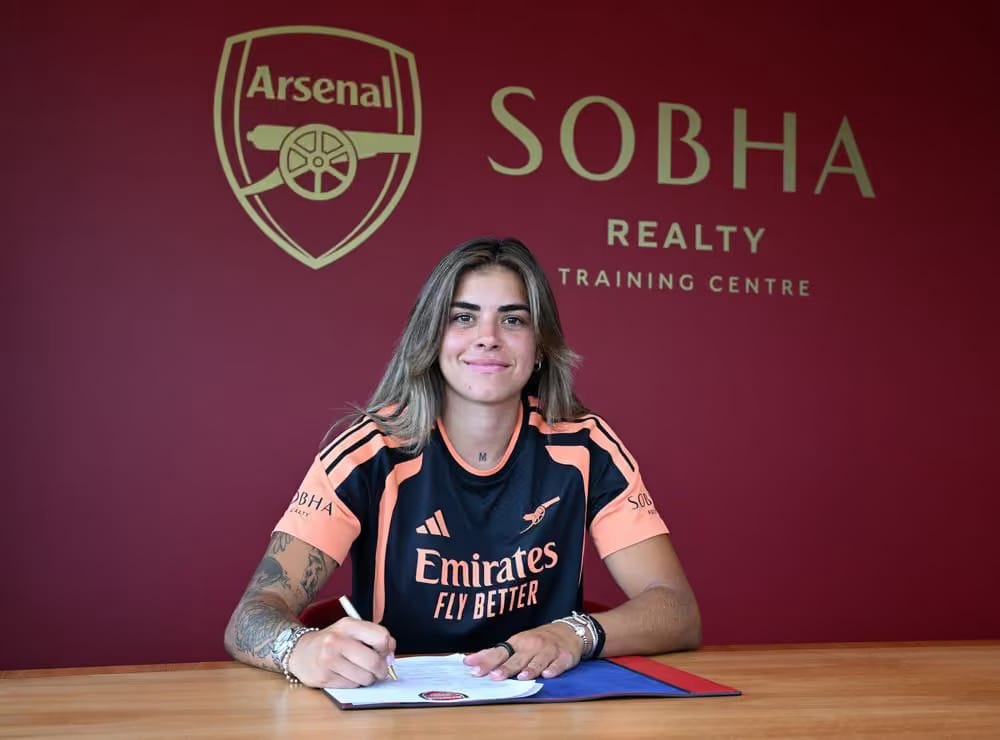
First things first: this feels like intent, not panic
When a club signs a third top‑level goalkeeper, the instant reaction from some fans is to assume someone’s about to be pushed out or that there’s a crisis in the club. It’s the “oh my God, what does this mean for Daphné” reaction, and it’s totally normal to feel that for a second, especially as we have all loved our number one since the day she arrived.
But if we slow down and pause for a minute to take a breath, step back and look at things properly, a different picture starts to emerge.
For me, Misa’s arrival does three things.
Number one, it’s a statement of intent from Arsenal. You don’t go and bring in a World Cup winning goalkeeper from Spain if the plan is just to bench her next season in case your other two goalkeepers get injured. You do it because you’re serious about trying to win things, not just domestically but in Europe, and you want your goalkeeping department to be as strong, if not the strongest in the world.
Number two, it’s about depth. If Arsenal want to go deep in every competition and win trophies, which is what we keep saying we want, then having only two senior keepers and crossing our fingers they never get injured or exhausted just isn’t realistic. You need three goalkeepers you trust to play big games. Not just cup ties against lower‑ranked sides, but proper, high‑pressure matches like the Champions League where the margins are tiny.
Number three, it’s about Daphné’s injury record. As much as we love her, and as brilliant as she’s been, her body has asked her some difficult questions in the last couple of years. That doesn’t mean she’s “finished” and it certainly doesn’t mean she’s fragile. But it does mean that Arsenal have to plan sensibly. If you know one of your world‑class goalkeepers has had injury worries, it’s smart to make sure the cover isn’t three levels below them. You bring in someone who, if they have to step in for ten games or more, keeps the standard world‑class.
And that’s what Misa does.
Who Is Misa Rodriguez?
Let’s get to know her a bit, because I don’t just want you to see her as another name in a transfers graphic on Instagram.
Misa’s full name is María Isabel Rodríguez Rivero, but everyone knows her as Misa, which is also the only thing she wears on her shirt. She’s from Las Palmas in Gran Canaria, which already tells you a little bit about her football personality. There’s a certain way kids grow up playing football on those islands, and it shows in how comfortable she is with the ball at her feet.
She actually started playing as a striker when she was five years old, which explains a lot about how she reads the game. She doesn’t just see the pitch like a goalkeeper. She understands how strikers move, where they want to finish and how they try to disguise shots. There’s a different kind of instinct that comes with having been “the other side” of the tactical duel between attack and defence when you were younger.
From there she goes through youth football, makes her way into the professional game, and ends up doing something pretty wild. She plays for both main Madrid clubs, Atlético and Real, which is rare enough, and then settles at Real Madrid, where she becomes one of the best keepers in Liga F.
She has been awarded two Zamora trophies; one in 2020/21 and one in 2022/23. That’s the award given to the goalkeeper with the lowest goals‑to‑games ratio in the Spanish league, which is basically the league saying, “Out of everyone here, you’re the best at keeping the ball out of the net over a full season.”
That’s not a fluke.
On top of that, she’s a full Spain international, with a World Cup winners’ medal from 2023, where she started all three group stage games for La Roja. She’s been part of the Spain squad at major tournaments, lived the pressure of knockout football and she’s done all of that in a team that demands a lot from its goalkeepers in possession as well as in shot‑stopping.
When you put all that together, you don’t just get “someone who can come for crosses”. You get a goalkeeper whose entire career has been built on doing hard things in tough environments, and doing them consistently well.
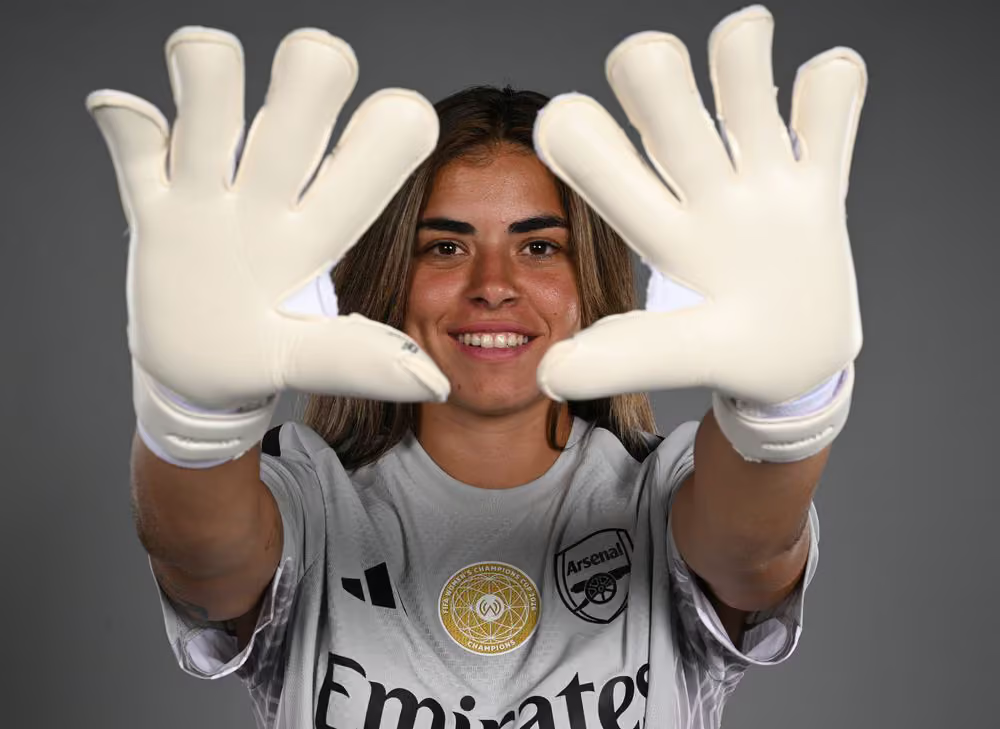
Why those Real Madrid v Barcelona scorelines don't tell the whole story
Let’s talk about the elephant in the room, because I know some of you have seen those scorelines from Real Madrid vs Barcelona and gone, “Hang on, wasn’t she in goal when they lost by six or seven, how is that world‑class.”
This is where context matters.
Playing against Barcelona in Liga F, especially in those seasons where Barca have basically been a cheat code, is not the same as playing against mid‑table WSL teams. Barcelona weren’t just good, they were miles ahead of almost everyone else.
Their attack had Alexia Putellas, Aitana Bonmati, Caroline Graham Hansen, Mariona Caldentey, Salma Paralluelo, Claudia Pina and many others, and they were scoring a ridiculous number of goals against almost every goalkeeper they faced.
If you only look at those games, you’ll convince yourself that every female goalkeeper in Spain is awful. But if you look at Misa’s stats across entire league and in multiple seasons, a different story appears.
She wins the Zamora with under one goal conceded per game - just 0.93, across a whole season. That means most weeks she’s keeping her team in matches, putting up clean sheets, making saves and the goals she is conceding are happening in a league where, at the very top end, the attackers are brutal.
You can see it in the more recent numbers too. In Liga F, she has racked up clean sheets and kept the goals‑against column under control for a Real Madrid side where, let’s be honest, she hasn’t always had the most solid back four in front of her. She’s doing all of that while playing in the Champions League, Copa de la Reina, Super Cup, at a club that’s still trying to catch up to Barcelona in every area.
So what looks like “massive defeats” if you only watch a couple of highlights or catch the final scoreline actually looks like “a very good goalkeeper keeping her team’s head above water in a league with one superteam and a bunch of clubs trying to get near them” if you look at the whole picture.
That context really matters.
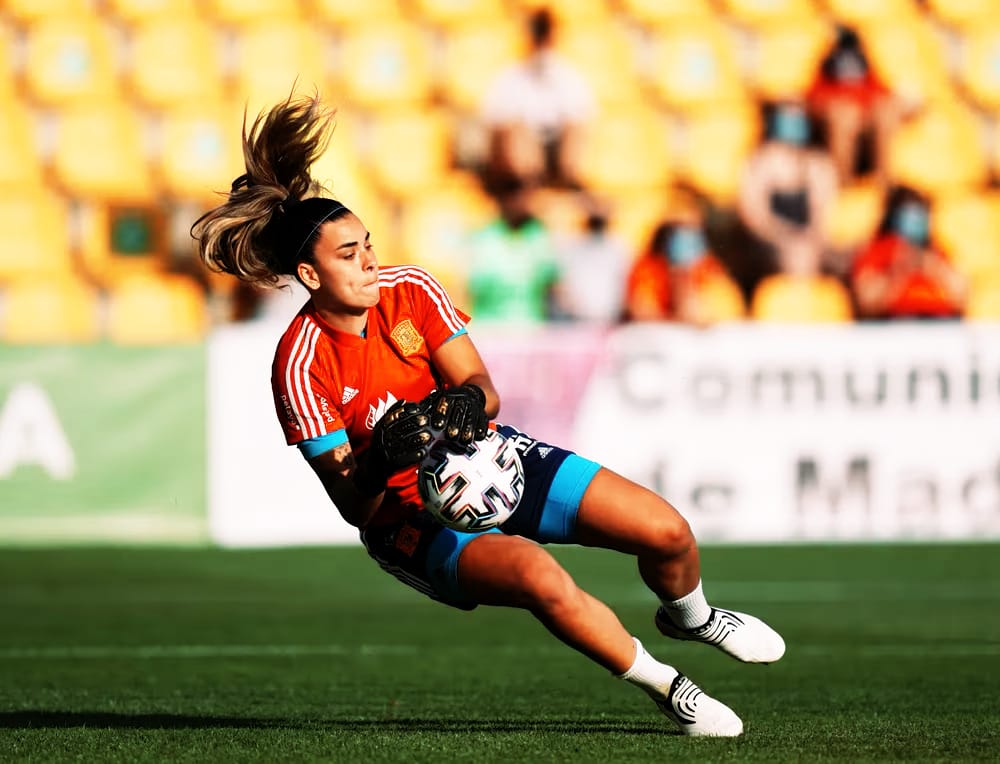
What kind of goalkeeper is Misa Rodriguez?
Let’s move from numbers to what she’s like game‑to‑game, because this is where I get excited about how she fits with Anneke and Daphné.
Misa’s around 1.73m, so she’s not one of those keepers where the main selling point is “she’s massive”. But she is athletic and we're talking properly athletic. Quick across her line, good at getting down low, reactive when she has to explode into a dive. There’s a spring to the way she moves that stands out when you watch her regularly.
She commands her box in a way I think some Arsenal Women fans are going to really enjoy. She doesn’t just stand there and hope her defenders deal with things. She comes for crosses, attacks balls in the air, is aggressive about claiming space as her own. With the kind of delivery we’ve seen in the WSL, especially from set pieces, having a keeper who’s happy to step into traffic and punch or catch is huge.
The other big thing is how vocal she is.
Every goalkeeper talks, but not every goalkeeper leads with their voice. Misa does. She’s constantly organising, shouting instructions, constantly trying to move defenders a metre to the left or right before danger appears, not after it’s too late.
If you watch Anneke and Daphné, they communicate too, but their styles are different. They’re a bit calmer and quieter in terms of personality. Misa brings a different kind of energy.
That’s not about “better or worse”. It’s just about variety.
From the back, she’s used to playing for possession‑dominant teams, and her passing numbers in European competition back that up. A high pass completion rate, comfortable playing short and long balls, not panicking when pressed, and able to get Spain and Real Madrid up the pitch without just launching the ball into touch every time there’s pressure.
But the thing I keep coming back to is her combination of size, athleticism and presence.
She’s not the tallest goalkeeper you’ve ever seen, but she makes herself look big in the way she positions her body and the way she attacks the ball. She closes down angles, spreads herself well and doesn’t shrink under pressure. That’s what you want when you’re facing top forwards one‑on‑one. Not just someone who’s “tall”, but someone who’s brave and clever.
Why three top keepers isn’t overkill if you’re trying to win everything
Now let’s loop back round to the original worry, because I know some of you are still thinking, “But don’t three world‑class keepers just complicate things.”
Here’s how I see it.
If Arsenal want to go as deep as possible in the WSL, Champions League, FA Cup and Conti Cup, they’re looking at fifty‑plus matches in a season where the intensity is only going up. There’ll be travel, weird kick‑off times, different kinds of pitches, and games against teams who treat playing Arsenal as their cup final and throw absolutely everything at us.
You don’t get through that with one keeper playing forty games and a second keeper stepping in when the number one has suffered an injury. You need a goalkeeping group. A unit that can share the load, keep standards high and provide cover for every scenario.
Anneke’s and Daphné are incredible. They both have different strengths that fit Arsenal beautifully. Anneke’s reading of the game and her calmness, Daphné’s shot‑stopping and presence. But if Daphné’s injuries crop up again, if anything happens to Anneke (remember her head injury at the tail end of last season?), or if we simply want to rotate to keep legs fresh, having Misa there means we don’t suddenly go from “top level” to “someone who’s never played a big game in their life”.
We go from one world‑class goalkeeper to another.
You can also think about it like this: every major club who wins consistently at the top level has depth in goal. They might have a clear “number one”, but they’re not crossing their fingers that the second and third keepers will magically become elite if they’re needed. They plan for it, they sign for it, they build for it.
Misa’s signing tells me Arsenal are thinking that way now.
They want the ability to put out a strong XI on Wednesday night in Europe, rotate a few players on Sunday in the league, and still know whoever’s in goal has the experience, the reflexes and the mentality to handle it. They want, if injuries happen, to be able to say “we’ve got this” instead of “oh no, let's hope our defenders do a good enough job that the goalie doesn't need to get involved”.
When you look at it this way, three world-class keepers stops being “overkill” and starts becoming “sensible”.
What does this mean for us as fans?
So where does that leave us? For me, it’s here.
We can be absolutely gutted if one of our favourite players sees less game time, of course. We can feel protective of Daphné and Anneke. We can love what they’ve already done for Arsenal and still be excited about Misa Rodriguez. Those feelings don’t have to fight each other.
What we probably shouldn’t do is treat Misa like she’s only here “just in case” or judge her purely through the worst nights she’s had with a defence in front of her that wasn’t good enough. Anyone who’s played in goal at any level knows the pain of conceding because people in front of you switched off. If you’ve ever stood between the sticks at school and watched your mates leave someone unmarked at the back post, you know exactly what I’m talking about.
Misa’s career, her trophies, her Zamora awards, her World Cup medal, her stats across full seasons, all tell us she’s much more than those Barcelona scorelines.
She’s a winner. She’s experienced. She brings something different to the goalkeeping mix at Arsenal. She’s vocal, commanding, athletic, and she’s arriving at a moment when the club clearly want to go from “nearly” to “we’re the ones everyone else is worried about”.
If you’re a young Arsenal fan thinking about what kind of team you want to follow over the next few years, this is one of those signings that raises the ceiling. It doesn’t maybe have the fireworks of signing a superstar forward, but it changes what’s possible in the biggest matches, because it changes what we’ve got at the very back of the pitch.
And if you’re someone who plays in goal yourself, especially if you’re a teenage girl listening who’s used to everyone forgetting how hard that position is, seeing Arsenal treat the goalkeeping spot as something that deserves three world‑class options is a pretty big statement in itself.
It says your position matters, your skills are valued.
It says the club sees goalkeepers as a core part of what they’re building, not some afterthought.
That’s why I’m happy and (in case you hadn't already noticed) super excited that Misa Rodríguez is here.
Not because it means Anneke or Daphné suddenly stop being important, but because it means Arsenal is taking this whole squad rebuild seriously enough to build a goalkeeping group that can go out and win things, and keep winning, across more than one season.
If that’s the level the club’s aiming at, I’m all in.