Why Arsenal Women Still Trust Caitlin Foord
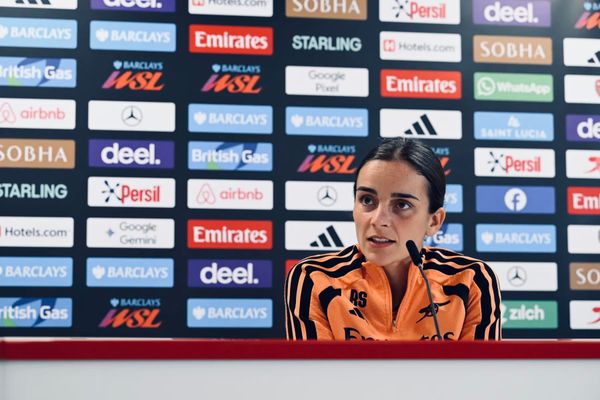
Rosa Kafaji's departure sparked a familiar debate among Arsenal supporters, but I think many of us are asking the wrong question. Instead of comparing Rosa to Caitlin Foord, perhaps it's time we looked at how football managers actually judge players.


So I knew she’d be leaving at some point and I’ve mentioned it previously on the podcast, but Rosa Kafaji's move to London City Lionesses announced in today’s Arsenal Women news caught me by surprise… but also the reaction it’s generate online hasn’t been that surprising, because whenever a young player leaves Arsenal there are always two conversations happening at the same time.
The first one is about the player who's leaving. Was it the right decision? Could Arsenal have done more? Will they come back to haunt us in a few years' time? The second conversation, and this is the one that really caught my attention and raised an eyebrow, is about the player we kept.
I lost count of the number of comments I saw saying things like, "Why have we let Rosa go and kept Caitlin Foord?"
And I have to admit, I just sat there looking at my phone thinking... have we all been watching the same football matches?
Now before anyone dives headfirst into the comments section, because I know this can be quite a divisive subject amongst some Arsenal Women supporters, let me say right away that this isn't me having a go at Rosa Kafaji because I really do wish her well. I think she's a talented footballer with potential and I hope she goes on to have a fantastic career, although being completely honest I'm not convinced London City Lionesses is the best move for her, particularly when you look at the number of players they're bringing in and the competition she's going to face for minutes there as well.
But that's probably a conversation for another day.
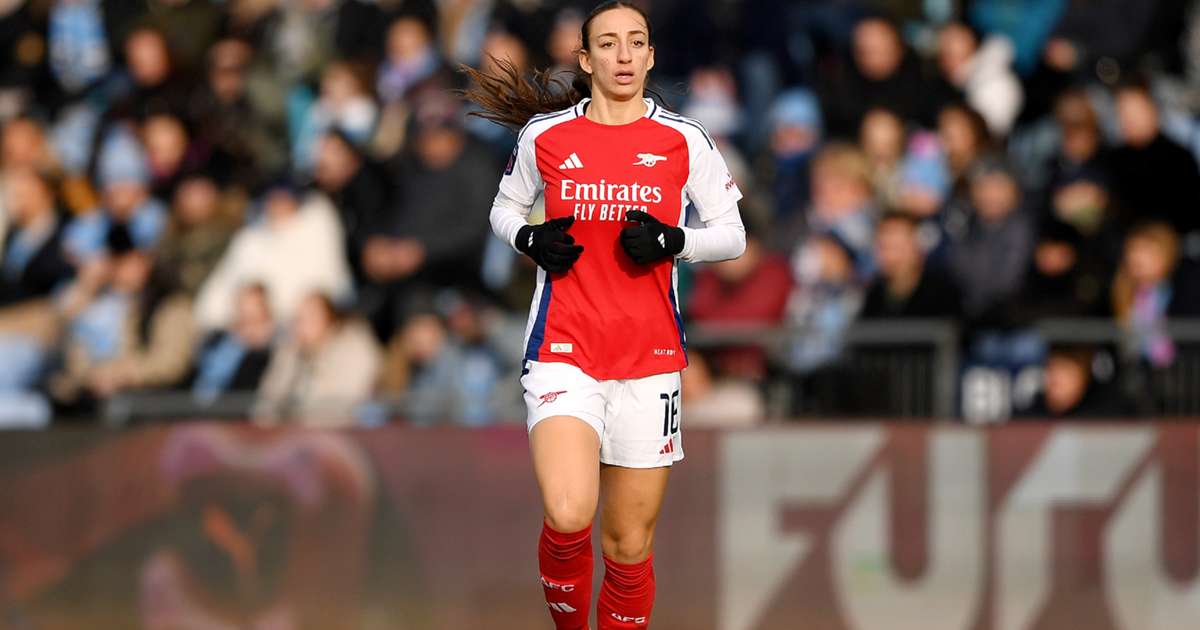
What really interested me was how quickly the discussion turned to Caitlin Foord, because it almost felt as though some supporters had decided Arsenal had made a choice between the two players.
That’s not what happened at all.
I think it's all based on a misunderstanding of what Caitlin Foord gives this Arsenal team, and the more I think about it, the more I realise this shouldn’t be an article about Rosa Kafaji. It should be an article about how we judge footballers, because I often wonder if supporters and managers are watching two completely different games.
Supporters, understandably, tend to remember the moments that make us jump out of our seats. The goals, the assists, the take-ons and the nutmegs. The moments that end up on social media five minutes after the final whistle. Managers enjoy those moments as well, of course they do, but they also spend 90 minutes watching everything in between. That's where the conversation gets interesting because I reckon that's where Caitlin Foord earns so much of her value.
So if you’ll indulge me for the next few minutes, and I suspect this is going to become a regular feature of Trailblazers, I’d like to make the case for the defence of Caitlin Foord.
Not because I think Caitlin Foord is beyond criticism because of course she isn't. Every footballer has quiet games, moments where they make the wrong decision or frustrates us with poor finishing or execution from time to time.
I just don't think the version of Caitlin Foord that some Arsenal supporters have in their heads is the same version that Renée Slegers sees every single day on the training pitch.
And if that's true, perhaps a better question to ask isn't whether Arsenal should have kept Rosa Kafaji instead.
The better question is are we measuring Caitlin Foord by the wrong things?
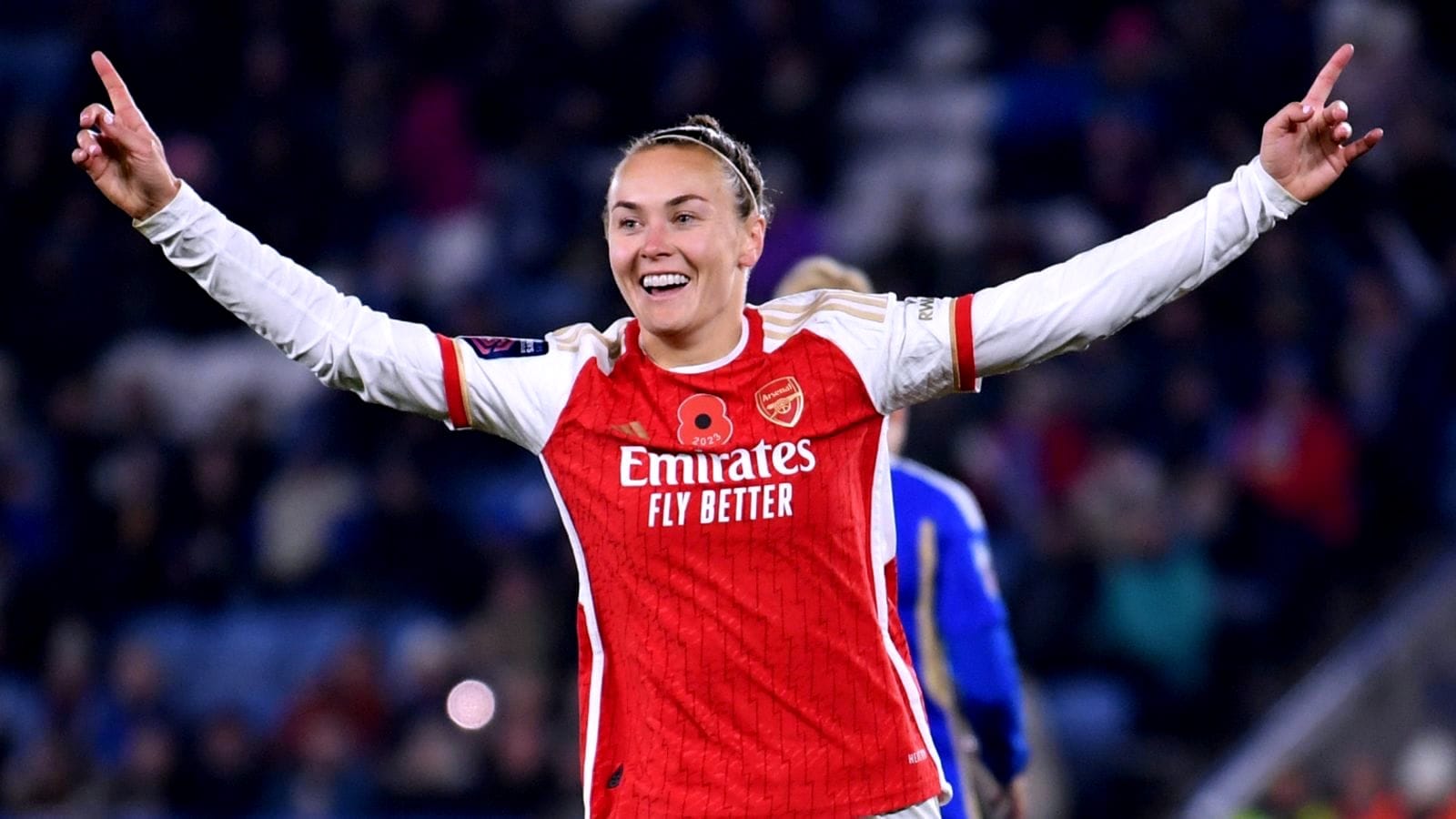
So What Exactly Are We Judging?
I think this is probably the point where we need to ask ourselves a slightly uncomfortable question, because before we can decide whether Caitlin Foord is underrated or overrated, we first need to decide what we're actually judging her on.
Now if I asked a hundred Arsenal supporters to tell me whether an attacking player had played well, I reckon most of us, myself included, would probably start with the same things. Did she score? Did she get an assist? Did she beat her full-back? Did she create chances? Did she produce one of those moments that gets clipped up and shared all over social media before you've even got back to Holloway Road station?
There's nothing wrong with that by the way because football is about moments. We all remember the goals. We all remember the spectacular bits. They're the things that make us fall in love with the game in the first place.
The problem is that if those are the only things we're looking at, we're probably only watching about half of what a football manager is watching.
Renée Slegers isn't just watching what Caitlin Foord does when Arsenal have the ball. She's watching what she does thirty seconds before Arsenal get the ball. Is she in the right position? Has she recognised the trigger to press? Has she tracked the opposition runner? Has she made the right movement to create space for somebody else even though she knows she'll never get the pass? Has she held her width because somebody else needs to drift inside? Has she tucked in because Katie McCabe (or now Ona Batlle) has gone flying past on the overlap?
Those things don't end up in the highlights video the WSL posts up on YouTube.
They're definitely not the first thing (or thing!) that supporters discuss on social media after the final whistle.
But I'd argue that they're exactly the sort of things that managers and coaches remember when they're deciding who starts the next game.
That's why I sometimes think supporters and coaches can end up with completely different opinions of the same footballer, not because one group understands football and the other doesn't, but because they're actually watching the match in completely different ways.
Supporters are watching for moments - managers are watching for habits.
There's a huge difference between those two things.
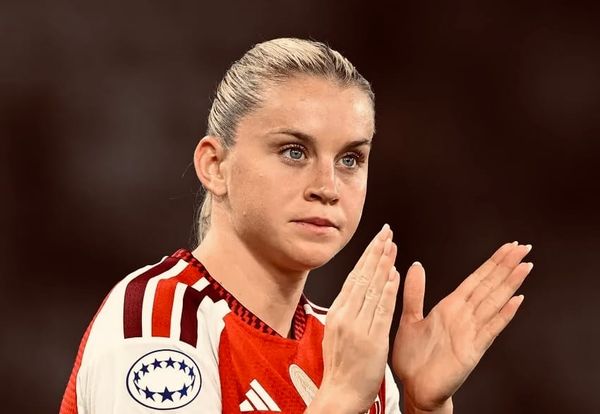
Good habits don't always produce instant rewards. Sometimes they're almost invisible. They're the run that drags a defender away so Alessia Russo suddenly has half a yard more space. They're the decision not to force a pass because keeping possession is the smarter option. They're recovering thirty yards because your full-back out has just gone on the overlap and somebody has to cover the space that’s been left behind.
Those are the sorts of moments I find myself watching more and more these days because, after moving my season ticket to a position in Club Level that’s directly behind the dugout, it's totally changed the way I watch live football. You stop watching the player on the ball all the time and start watching everybody else instead because that's often where the really interesting stuff is happening.”
Now, does Caitlin Foord get everything right? Of course she doesn’t. None of them do!
I've seen her make the wrong decision, overhit crosses and miss chances where I've had my head in my hands thinking, "How has that not gone in?"
But I've also seen something else. Manager after manager, both at club level and international level for Australia, continues to trust her and that’s not an accident.
So What Does Caitlin Foord Actually Give Arsenal?
This is probably the point where someone says, "OK Roberto, you've spent the last ten minutes telling us we're judging Caitlin Foord by the wrong things, so what exactly are the right things then?"
Fair question.
The first thing I'd tell you is that if you keep finding yourself asking why Renée Slegers continues to pick Caitlin Foord, question why they gave her a two year contract extension, I’d suggest that the answer probably isn't that one of the brightest young coaches in the women's game simply can't see what some supporters can. Football managers make mistakes, of course they do, but when manager after manager keeps arriving at the same conclusion, eventually I think we have to stop and ask ourselves what it is that they're all seeing and we're not.
Labour this point with me and let’s think about it further for a second. Joe Montemurro trusted her, Jonas Eidevall trusted her and Renée Slegers trusts her. Australia trust Caitlin Foord. At some point we have to ask ourselves whether all those managers, all with different personalities, different tactical ideas and different ways of playing football, have all independently arrived at exactly the same conclusion for a reason.
Let's start with trust. Not the sort of trust that gets talked about in post-match interviews, but the sort of trust that means a manager is completely comfortable putting your name on the team sheet in a Champions League knockout match, the North London Derby or a potential title decider without lying awake the night before wondering whether you've got the tactical discipline to carry out the game plan.
That's a huge compliment.
I don't think we talk about that enough as supporters because trust isn't particularly exciting. Nobody makes a YouTube compilation called "Caitlin Foord made all the right defensive decisions for ninety minutes", but I can absolutely guarantee you Renée Slegers notices every single one of them when she does.
Then there's Caitlin’s work rate.
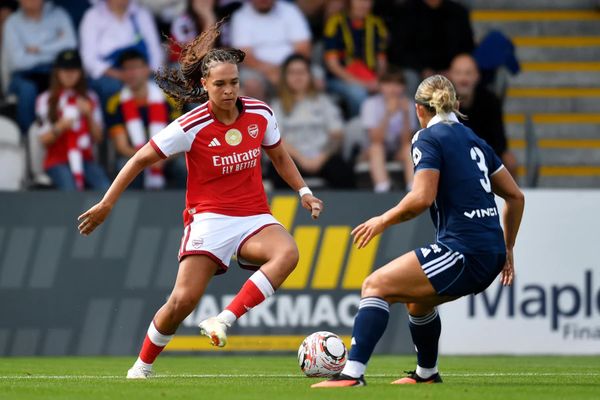
Again, this isn't glamorous. Nobody leaves the Emirates saying, "Did you see that brilliant recovery run in the 74th minute?", yet football matches are full of those moments. They're full of wingers sprinting back to help their full-back, recognising danger before it develops, pressing at exactly the right time and making life just that little bit easier for the players around them.
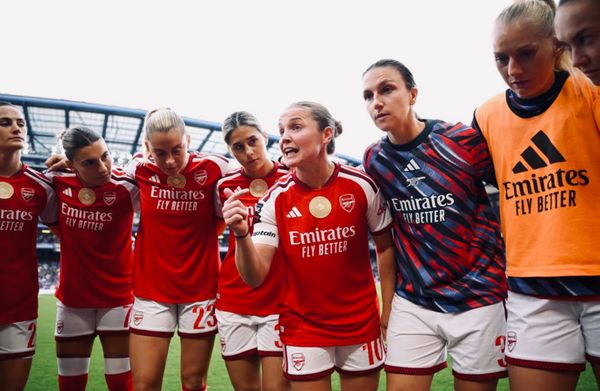
Caitlin Foord does those things over and over again. I've noticed it so many times watching from behind the dugout. The camera naturally follows the ball, but when you're in the stadium your eye starts wandering. You watch Caitlin tracking back while everyone else is watching the winger with the ball. You notice her pointing teammates into position. You notice the runs she makes that never end with her receiving the pass because they've created space for somebody else instead. Those things don't make the highlight reels, but they're happening constantly.
Then you've got versatility, and I don't think we appreciate just how valuable that is. Managers love footballers who solve problems. Need somebody to start on the left? Caitlin can do that. Need somebody on the right? She can do that too. Need someone who's comfortable rotating positions during a match because Mariona Caldentey has drifted inside or Alessia Russo has pulled wide? Again, Caitlin understands those rotations because she's played enough football at the very highest level to recognise what's needed.
That's another thing experience gives you - not just better technique, but better decisions.
That could be why I find some of the criticism a bit confusing, because when I watch Caitlin Foord I don't see a perfect footballer. There isn't one. What I see is a player who understands her role, works incredibly hard for the team, gives her manager tactical flexibility and whose repeatedly shown she can perform in some of the biggest matches Arsenal have played over the last few seasons.
Does she always score when we'd like her to? No.
Does she always produce the perfect final ball? Again, no.
Would I like to see her finish even more of the chances created from the excellent positions she gets herself into? Absolutely.
But here's the thing I keep coming back to - if all those other parts of her game disappeared tomorrow and all we were left with were goals and assists, I don’t think Arsenal would actually be a better football team.
Football teams aren't built from eleven individual highlight reels. They're built from footballers who understand how to make everybody around them better, and I think that's where Caitlin Foord has earned her place in this Arsenal side.
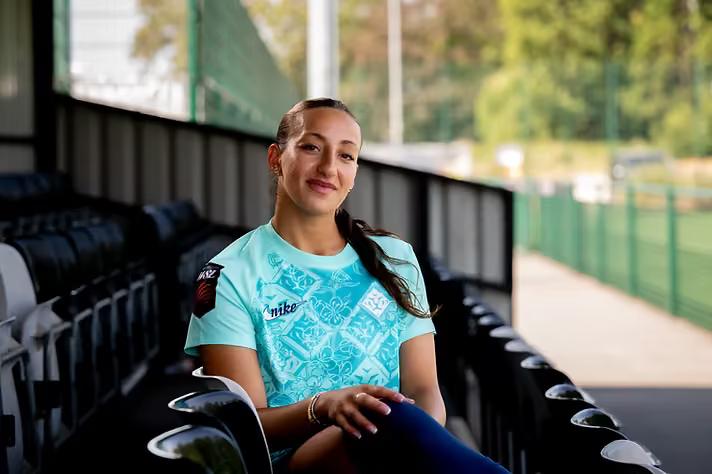
So Did Arsenal Make The Right Decision?
Let's come back to Rosa Kafaji because, after all, that's where this conversation started.
Do I think Arsenal made the right decision in letting her leave?
From what we've seen over the last season, yep, I do.
That isn't because I don't rate Rosa Kafaji because I do. I think she's a very talented footballer, technically gifted, capable of producing moments that make you sit up in your seat and think, “Flipping heck, there's a player in there."
The problem is that football isn't about isolated moments. It's about putting together 90 minute performances often enough that your manager knows exactly what they're going to get from you every single week.
Unfortunately, I don't think we ever really saw enough evidence that Rosa Kafaji was going to become that player at Arsenal.
Could she become that player somewhere else? Absolutely she can.
Football history is full of players who needed a different environment, a different league, a different coach or simply a different stage in their career before everything suddenly clicked into place.
I really hope that's what happens because she's clearly got ability and I don't enjoy seeing talented footballers struggle to establish themselves.
Where I probably differ from some supporters is that I don't think London City Lionesses is the perfect, ideal move that many people seem to think it is.
I've seen a few comments saying that she'll finally get regular football there, but will she?
Maybe, maybe not. Probably not. Look at the recruitment London City have been doing this summer - they're bringing in players with massive names who will expect to be first names on every team sheet. Competition doesn't suddenly disappear because you've moved clubs. If anything, she's walking into another dressing room where she'll have to convince another manager that she deserves to start ahead of everyone else.
Nothing is guaranteed, which brings me back to Caitlin Foord.
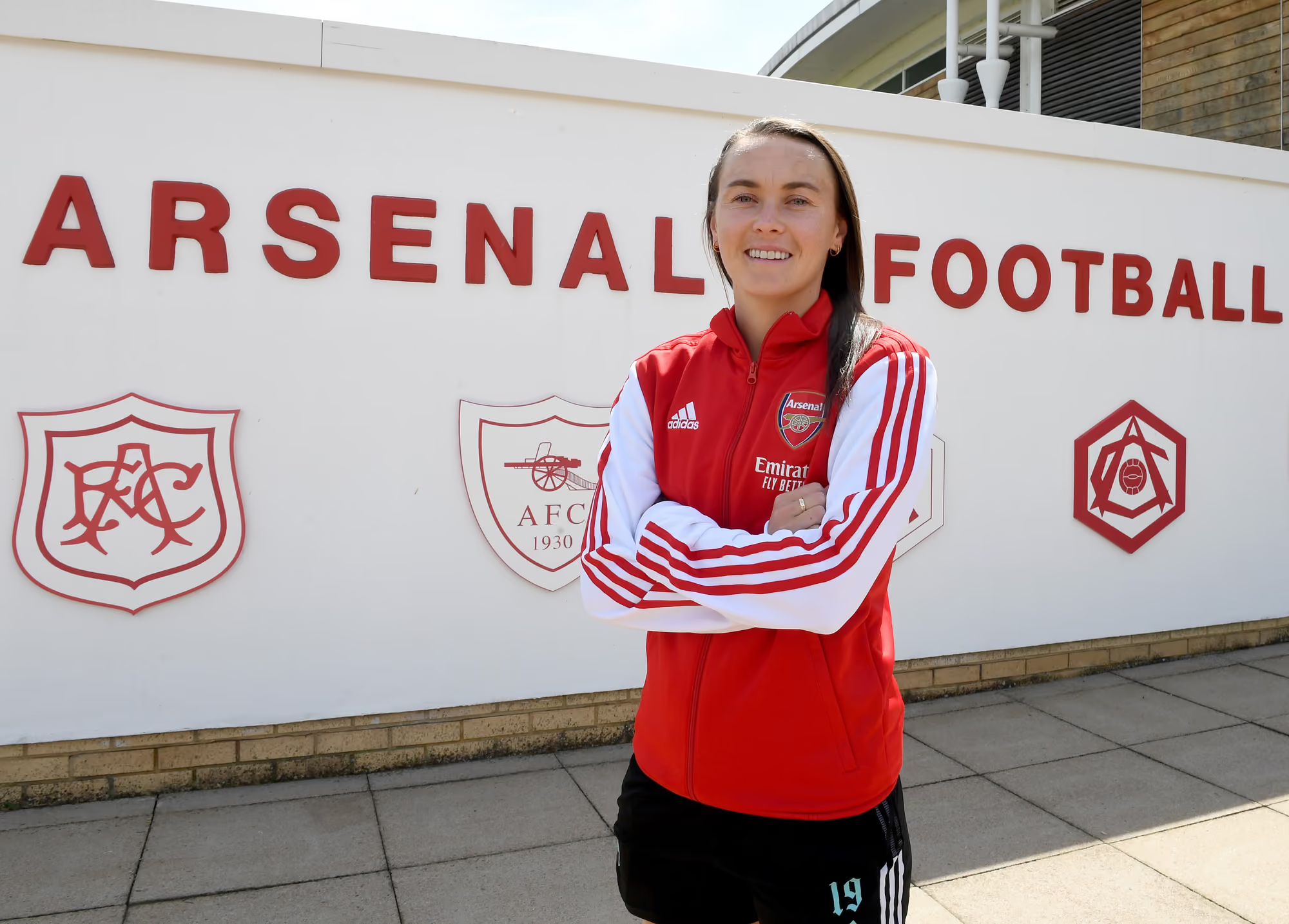
I don't think Arsenal looked at Rosa Kafaji and Caitlin Foord and decided one was worth keeping while the other wasn’t. That's an oversimplification that social media loves because it's neat and easy to understand.
Football recruitment very rarely works like that.
Arsenal weren't comparing Rosa Kafaji with Caitlin Foord, they were asking much bigger questions.
“Can we trust this player to carry out what the manager needs every week?”
“Does she fit the way we want to play?”
“Can she help us win the biggest matches?”
“Can we rely on her when the pressure is at its highest?”
When you ask those questions, I think the decisions Arsenal have made this summer make a lot more sense.
That doesn't mean Rosa Kafaji won't go on to prove Arsenal wrong, she might. Football has a wonderful habit of making all of us look a bit silly from time to time.
But based on everything we've seen so far, I understand why Arsenal made the decision they did.
I also understand why Caitlin Foord remains such an important player for this football club. Perhaps more important than some supporters realise.
So here's my little challenge if you've made it this far. The next time you're watching Arsenal Women, whether it's at the Emirates, Meadow Park or on TV, spend ten minutes watching Caitlin Foord when she doesn't have the ball.
Forget the goals, forget the assists and forget whether she beats her full-back or not. Just watch everything else.
Watch the runs she makes, the spaces she covers, the decisions she makes, the work she does for the team and then come back and tell me you still see exactly the same footballer you saw before. You might - that’s football, we're all absolutely entitled to our opinions.
But I really think if you’ve been a little bit hard on Caitlin at times, you’ll start noticing things you weren't looking for before and, if this article has done anything, I hope it's at least encouraged you to watch football in a slightly different way because I know it completely changed the way I watch the game.