Arsenal Women 1-1 Aston Villa: Renée Knows What's Wrong. So Why Can't She Fix It?
Arsenal drew 1-1 with Aston Villa despite having 26 shots to their one. Manager Renée Slegers admits the team keeps experiencing the same issues. While there were some excellent individual performances, the ongoing attacking struggles and half-time decisions left me with plenty of concerns.

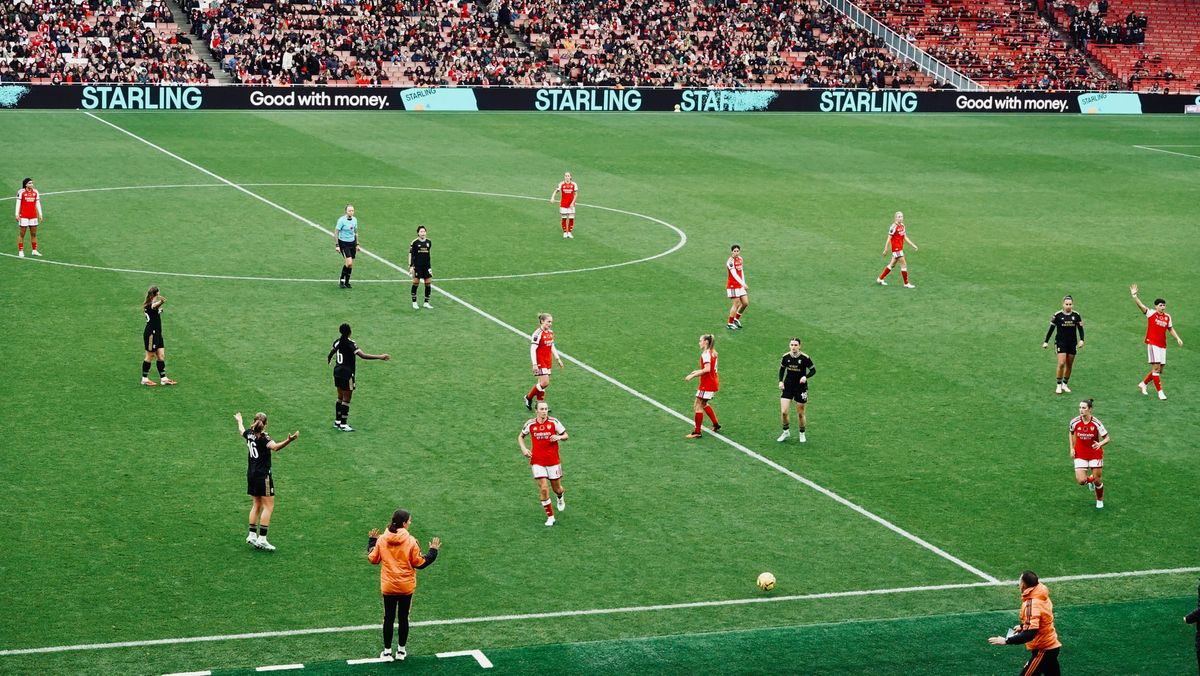
Arsenal Women 1, Aston Villa 1. Another two points dropped at home, another game where we've dominated possession, created opportunities and somehow failed to win, and I'm getting increasingly frustrated because we're now eight league games into the season and we're still having the same conversations about problems that should have been addressed weeks ago.
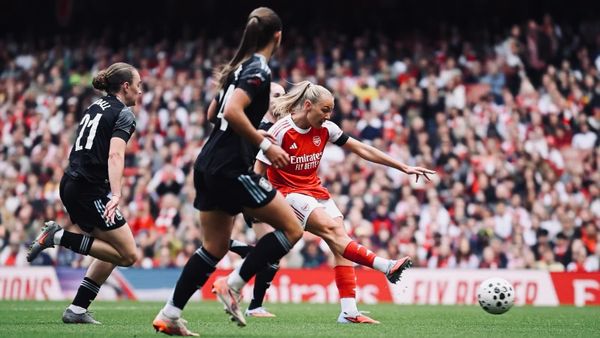
What makes yesterday really difficult to accept is that Aston Villa offered almost nothing going forward. One shot in 90 minutes, which turned out to be all they needed, while Arsenal had 26 shots, 8 on target and 65% possession.
You look at those numbers and wonder how on earth we managed to come away with only a draw, but having watched the game from the stands, I don't believe we can simply put this down to bad luck or an inspired opposition goalkeeper.
What makes this so frustrating is that we spent Friday's preview discussing exactly how Villa might hurt us. We knew Brian Sørensen had improved, that they could break forward quickly, and we'd identified the danger of leaving space behind our defenders when we committed players to attack.
So, when Villa scored in the first half from exactly that situation, I was sitting there wondering how we'd managed to give them the one chance they needed. And with so little attacking threat coming from Villa for the rest of the afternoon, we then had more than enough time to put things right, but we made life unnecessarily difficult for ourselves. Again.
I want to be fair to the players, because there were some really good individual performances. Steph Catley was magnificent at the back, Caitlin Foord was excellent again, and Alessia Russo worked incredibly hard, deserved her goal and was probably, yet again, our most effective attacking player. Emily Fox was brilliant when she came on at left-back, and I was pleased to see her continuing the form she's shown recently.
So, this isn't going to be an episode where I sit here telling you everyone was awful, because that wasn't the case. Plenty of good things were happening on the pitch, but collectively we weren't doing enough with the chances we were creating, and that's where my concerns about how this team is being set up are now impossible to ignore.
I want to be very clear about something, because I've seen a few people suggesting that the debate about Alessia Russo's position has become boring, and Renée herself made a similar observation in her press conference afterwards. Well, trust me, I'd love to stop talking about it.
But I keep returning to the subject because Arsenal keep producing performances that raise the same questions, and until something changes, those questions won't disappear simply because the manager would prefer not to answer them.
The argument has never been that Alessia Russo cannot play as a number 10. Of course she can. She's an outstanding footballer, she's intelligent, she links play beautifully, and she's capable of scoring goals from practically anywhere around the penalty area. The question is whether playing her there, with Olivia Smith operating as the central striker, is the most effective use of the attacking talent we've got available. And when we're watching good crosses delivered into the box with nobody attacking them properly, or seeing Olivia struggle to hold the ball up when she's surrounded by defenders, we're entitled to question whether there's a better way to do things. Alessia scoring the equaliser doesn't somehow make those questions irrelevant.
But I don't want us spending an entire article going through every argument we've already made about individual positions, because if you've been listening to Trailblazers recently, you know exactly where I stand. What interests me today is what happened against Aston Villa, why Arsenal couldn't turn such complete dominance into 3 points, and whether Renée made the right decisions when it became clear her original approach wasn't working.
Those decisions will be especially important at half-time, because I was sitting in the stands with a pretty clear idea of what needed changing, and what Renée did was completely different. She made two substitutions, taking off Taylor Hinds and Géraldine Reuteler, and while one of the replacements was excellent, I'm still struggling to understand why she thought those changes would solve our attacking problems.
There's also Renée's press conference, and I found some of her comments concerning, especially her acknowledgement that Arsenal seem to be playing the same game over and over again. When the manager herself recognises that we're repeatedly experiencing the same problems, the next question is, “So why have those problems still not been resolved?”
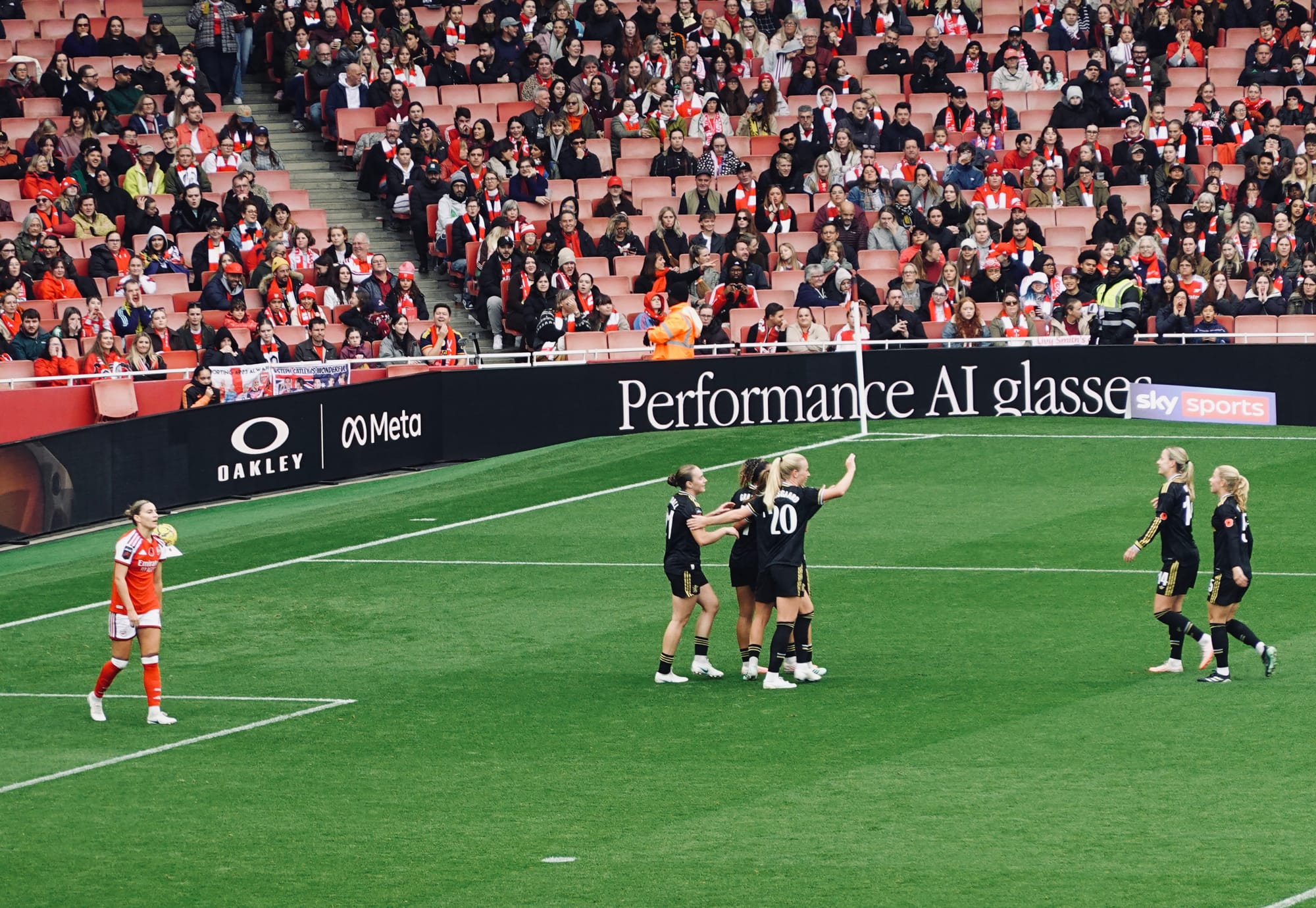
The First Half - We Knew Exactly How Villa Could Hurt Us
What frustrated me most about the first half wasn't just that Villa took the lead; it was how little they needed to do to get themselves into that position, because we'd spent time in the preview looking at Brian Sørensen's approach and identifying the spaces Villa might exploit if Arsenal committed too many players forward.
That's exactly what happened.
Leah Williamson had moved forward, Steph Catley was having to cover across the defence and Chasity Grant found herself with space on Villa's right to get a shot away, which took a deflection off Steph and looped over Misa Rodríguez into the net.
There was an element of misfortune in the deflection, but I don't want us focusing on that and ignoring how Villa got into position to take the shot in the first place.
That was the thing about Villa yesterday. They didn't come to the Emirates and produce some amazing attacking performance that Arsenal simply couldn't cope with. They were organised, they knew what they wanted to do and when their opportunity came, they took it.
Credit to them for that, because Sørensen clearly had a plan and his players executed it, but I was sitting there watching Arsenal dominate possession and wondering why we were making something that should have been relatively straightforward look so difficult.
One thing that was bothering me was the speed of our decision-making, because there were so many occasions when we'd work the ball into a promising position, someone would receive it with a chance to move us forward but then take another touch, or turn back towards their own goal, and suddenly Villa had another two or three players behind the ball. And when you're facing a team that's perfectly happy to defend with numbers, those little delays make a huge difference. It doesn't look like much when you're watching an individual player, but across an entire attacking move, those extra touches give the opposition all the time they need to reorganise themselves.
Leah Williamson was one of the players I noticed doing this, and I found that really disappointing because she's normally so good at recognising opportunities to play forward. There were occasions when I wanted her to release the ball earlier, especially when we had players making movements ahead or to the right of her, but she kept going to her left, ignoring the spaces that Reuteler and Ona were finding, and by the time some of her passes arrived, the opportunity had disappeared.
I don't want to single Leah out as though she was responsible for everything that went wrong, because it was happening elsewhere on the pitch as well. It was a collective problem, and it made our attacking play predictable at exactly the moments we needed to move the ball quickly.
The other issue was what happened when we finally got the ball into the penalty area: we were getting deliveries from Caitlin Foord, Géraldine Reuteler, and Georgia Stanway, and others, but too often no one was attacking the space those balls were being played into.
I'm going to resist getting into the debate about our attacking positions here, because we'll deal with that later when we look at Renée's decisions, but there was a noticeable disconnect between the players creating chances and the players supposed to finish them.
I thought Caitlin Foord was excellent again, and what really impressed me was that she wasn't simply contributing when Arsenal were attacking. Her willingness to track back, compete for possession and help defensively was fantastic, and there were moments when she seemed determined to drag the team forward through sheer effort.
There was a gentleman next to me with his little girl, a regular at the men’s games and watching Arsenal Women for the first time. No clue as to who the players are, their names, nothing. And at one point he said to me, “Bloody hell, that number nine is so good. The way she drives forward and not only that, the way she tracks back to defend as well... she’s amazing!”
I was so happy to hear that and wish I could have recorded it for all the ball-watching Caitlin Foord haters to hear.
I also thought Steph Catley was having an outstanding game at the back; despite the unfortunate deflection for Villa's goal, she read situations so well and made some monster, world-class tackles to make sure Villa didn't get another chance to threaten Misa.
But as the half progressed, I found myself becoming less concerned about what Villa might do to us and more concerned about what we weren't doing to them, because they were offering so little going forward that it was becoming apparent Arsenal's biggest problem was our own inability to make the right decisions in the final third. We had the players, we had the possession, and we had opportunities to get ourselves back into the game, but we weren't using the ball intelligently enough to make Villa's defenders uncomfortable.
By half-time, I was convinced we didn't need to tear everything up or make big changes. We needed to move the ball faster, stop taking unnecessary touches, and make a few adjustments to our attacking players' positions so the chances we were creating had a better chance of becoming goals.
That was what I was expecting Renée to address during the interval.
Instead, when Arsenal came back out, Géraldine Reuteler and Taylor Hinds were both heading for the bench, with Lisa Baum and Emily Fox coming on in their places.
Trailblazers, that wasn't the solution I expected.
Did Renée Solve The Right Problems With Her Half-Time Changes?
So, let's talk about those half-time substitutions, because this is where I really began to question what Renée was seeing from the touchline compared with what I was watching from the stands.
We moved the ball too slowly, missed opportunities to exploit the spaces Villa were leaving, and struggled to turn good attacking positions into genuine chances. None of that suggested we needed major personnel changes. We needed to play faster and make better use of the players we already had on the pitch, so when I saw Géraldine Reuteler and Taylor Hinds coming off, I struggled to understand why Renée believed those changes would make the difference.
Now, bringing Emily Fox on certainly wasn't a bad decision. She was excellent again, gave us energy down the left and looked completely comfortable playing on that side of the defence. She's becoming one of our most dependable players, and I love the fact that wherever she's asked to play, you know exactly what you're going to get from her. But Taylor Hinds hadn't been having a particularly poor game, and she certainly wasn't the reason we were struggling to score. Fox playing brilliantly doesn't automatically mean taking Hinds off was necessary, though I can understand wanting to bring in someone with Fox's experience and quality.
The decision to replace Reuteler with Lisa Baum concerned me much more, because I couldn't see what Géraldine had done to justify being taken off at half-time. We'd seen her find pockets of space, particularly on the right, but too often the ball didn't arrive quickly enough for her to do anything with it. And there's a difference between a player struggling to influence a game because they're making poor decisions and a player struggling because the team isn't making use of what they're offering. From where I was sitting, Géraldine was experiencing much more of the latter.
Lisa Baum has been one of our more exciting players this season, and I've loved watching her develop, but she wasn't particularly effective yesterday. There were some positive moments, and she played a part in the move leading to our equaliser, so I'm not suggesting she contributed nothing. But she wasn't having the sort of impact we've seen from her in previous games, and I kept wondering what we might have gained by leaving the more experienced Reuteler on and making a positional change instead.
Because the adjustment I wanted at half-time was straightforward. Move Alessia Russo up front, put Géraldine Reuteler into the 10 and switch Olivia Smith to the right wing. That would have let us shift the attacking balance without removing anyone, and it would have given Olivia a chance to use her pace and dribbling against a full-back rather than spending another half surrounded by central defenders. And if that wasn't working, we had Lisa Baum ready to come on and offer something different from the right. I'm not suggesting that arrangement would definitely have won us the game, but it was an obvious alternative worth trying, particularly when the existing setup had produced so little.
And this is where I feel for Olivia Smith, because she's a hugely talented young player and I've got no doubt she'll become an important part of this Arsenal team. But playing her through the middle yesterday wasn't doing her any favours. We were getting the ball into areas where we needed someone who could compete physically with Villa's defenders, hold the ball up or attack deliveries into the box, and those aren't the strongest parts of Olivia's game. Give her space out wide, let her run at defenders and use the qualities that made Arsenal want to sign her in the first place. Why are we making life harder for a young player when we've got other options?
And then, later in the second half, Renée introduced Stina Blackstenius, who provided the cross for Alessia Russo's equaliser. It was a lovely header from Alessia, and she deserved that goal for the work she'd put in throughout the afternoon. But I found it interesting that we eventually scored through a move involving two players who are both natural centre-forwards. That doesn't prove my preferred arrangement would have worked from the start, but it does show that changing the attacking combinations could create something Villa struggled to deal with.
Now, I know Renée will point to the impact of her substitutes, and there's no question that Fox improved us or that Stina contributed to the goal. But I'm not convinced that proves the half-time decisions were right. We can acknowledge the positive contributions without pretending everything worked, because Arsenal still failed to turn their dominance into a victory. We had almost an entire second half to find a solution against a team that was offering virtually nothing going forward, and we managed one goal.
And that's what concerns me. Renée has some outstanding attacking players at her disposal, with different qualities and different ways of hurting opponents, but we're still seeing games where those qualities don't seem to complement one another as effectively as they should. The question I keep coming back to isn't whether she made substitutions that improved individual areas of the pitch. It's whether she recognised what Arsenal needed most and used the options available to her best.
Because when I was sitting there at half-time, I didn't believe Aston Villa had presented us with some enormously complicated tactical puzzle. They were defending their lead, they were doing it reasonably well, and we needed to be quicker and more intelligent about breaking them down. I could see a way of changing our attack without taking off two players, and I'm still not convinced that what Renée chose to do gave us a better chance of winning.
Which brings us to her press conference, because some of what she said afterwards made me question whether she fully appreciates why supporters keep raising these concerns.
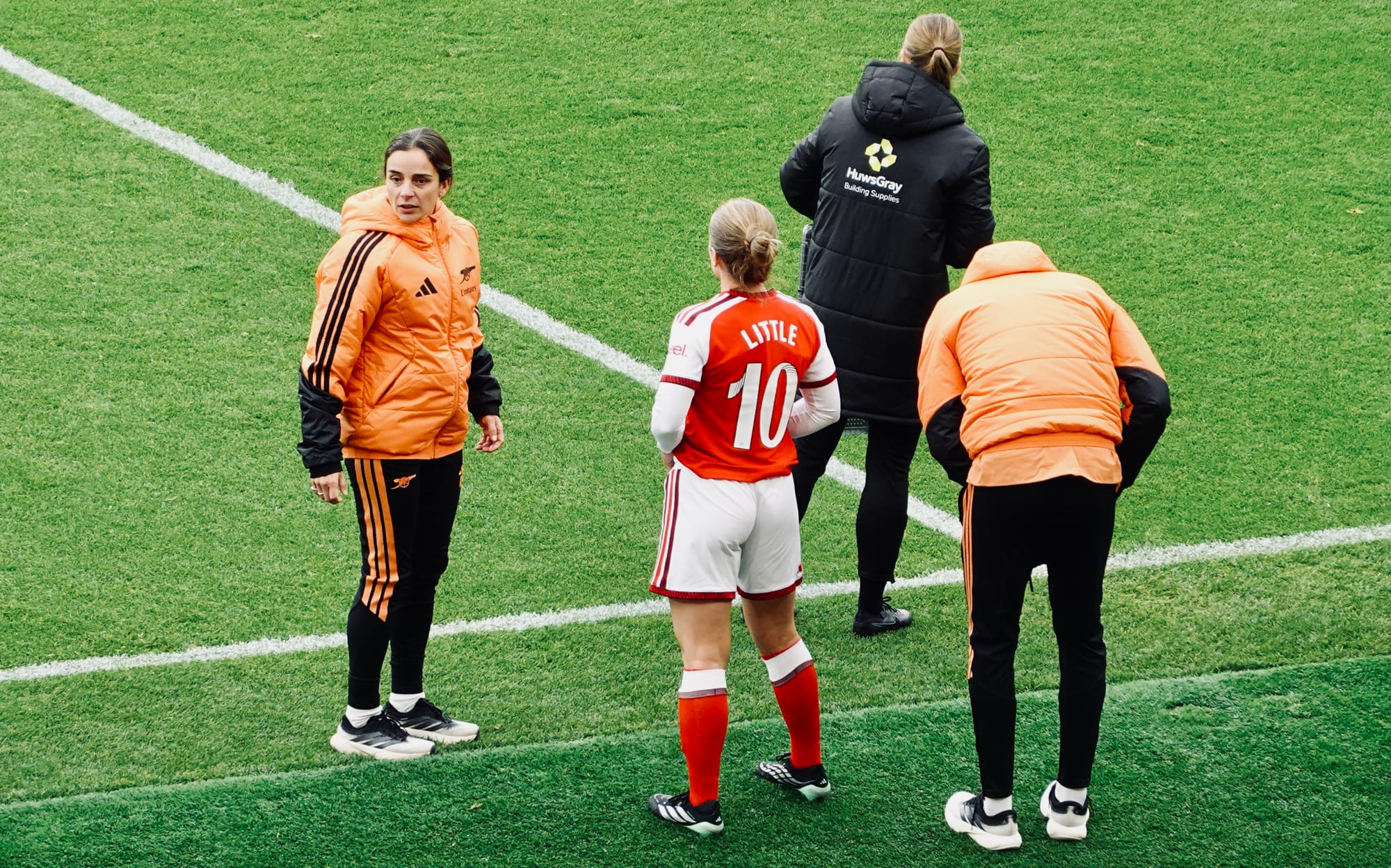
Renée - Recognising The Problem Isn't Enough
I've watched and read Renée's full post-game press conference, and one comment really stood out to me: when she was asked whether this result felt familiar, she said, “It feels like we're playing the same game over and over again.”
I have to say, hearing the Arsenal manager acknowledge that was quite something, because that's exactly what supporters have been saying for weeks. We're watching the same problems appear against different opponents, we're hearing similar explanations afterwards and we're still waiting for the performances that show those problems have been properly addressed.
So when Renée tells us that she recognises what's happening, my immediate reaction is, well, you and me both, Renée, but you're the one responsible for doing something about it.
To give her credit, she didn't shy away from that responsibility. When she was asked about Arsenal conceding first for the fifth time this season, she admitted that the team needed to start games better and explicitly accepted responsibility for the lack of energy. She also talked about our ball speed being too slow, the players not winning enough duels and the urgency that we'd shown against Tottenham and Benfica being missing again.
Listening to that, I found myself agreeing with practically everything she was saying, because it reflected so much of what I'd been seeing from the stands. But that's also what makes it so frustrating, because we're no longer talking about a manager who doesn't recognise the warning signs.
Renée can identify them, explain their consequences, and understands that we're making games unnecessarily difficult by repeatedly allowing opponents to take the lead. The question is what happens between recognising those problems and sending the team out to play the next game, because somewhere along the way, the message isn't translating into consistent performances.
Now, there was something else Renée said that interested me. She talked about the team's energy, including body language, communication, players connecting with one another, and carrying out their actions with conviction. Those are all reasonable things to expect, but I don't think we can explain Arsenal's struggles simply by saying the players need to show more energy.
These are elite professional footballers, many of them experienced internationals, and while individuals absolutely have to take responsibility for their performances, the coaching staff also has a responsibility to make sure the team knows exactly what it wants to do and how to do it. You can run around with all the enthusiasm in the world, but if the players aren't making the right decisions together, or the attacking combinations aren't working, that energy alone won't solve the problem.
Renée also made an interesting observation about what happens when Arsenal concede early. She suggested that the pressure of chasing the game affects the team's composure in front of goal, and that's a perfectly reasonable argument. When you're running out of time, players can become anxious; they rush decisions, and opportunities that might have been taken calmly earlier in the afternoon suddenly feel much harder.
But that raises another question: if we know this team struggles to maintain its composure when chasing games, and we know opponents are increasingly comfortable sitting deep against us, surely we need a more reliable way to respond. We'll face teams that defend with numbers throughout the season. They're not going to stop doing it because Arsenal find it uncomfortable, and we can't keep treating a well-organised defence as though it's some unexpected problem we've encountered for the first time.
This is where I want to come back to something Renée said about the substitutions, because she was very positive about the players who came on and talked about the energy and qualities they brought to the second half. We've already discussed my concerns about those decisions, so I'm not going to repeat the tactical argument, but something in her answer caught my attention.
She said she'd review the game, prepare for Liverpool and consider the best players to start and finish, with particular emphasis on getting the starting team right. That's obviously what any manager should be doing, but we're eight league games into the season, and I'm becoming increasingly concerned that we're still searching for answers to questions we should have settled by now. We have a talented squad, we've brought in some excellent players, and there's enough quality available to produce something considerably better than what we're seeing in the WSL.
Then we come to the comment about Alessia Russo, because this was the part of the press conference that really disappointed me. Renée was asked about starting Alessia as a 10, and she responded by saying the discussion had been “overanalysed and over spoken about.” She went on to praise Alessia, pointing out that she's an excellent attacking player who gets into dangerous positions, takes shots and scores goals.
Well, nobody is disputing any of that. Alessia is one of the best players at the club, and her performances this season have demonstrated how important she is to this team. But the journalist wasn't asking whether Alessia Russo is a good footballer. The question was about the decision to play her in a particular position, and I found it disappointing that Renée seemed to dismiss that discussion rather than explain why she believes the arrangement is best for Arsenal.
And to be clear, she didn't explicitly say Alessia's goal proved her critics wrong, although I can understand why people interpreted her answer that way. But if Alessia scoring is being offered as evidence that the system is working, then we need to look at the result as well, because Arsenal scored once against a team that spent virtually the entire afternoon defending.
Alessia's individual brilliance rescued a point, but it doesn't answer the wider questions about our attacking effectiveness. And that's not me demanding that Renée agrees with my preferred selection. She doesn't have to agree with supporters, journalists or anyone else about where her players should be positioned. She's the manager, and ultimately those are her decisions.
But when the results aren't coming, those decisions will be questioned, and dismissing the discussion as excessive doesn't make the underlying concerns disappear.
What worries me is the possibility that Renée has become so committed to certain ideas that she's struggling to recognise when they need changing. And I'm deliberately saying possibility, because none of us knows everything that's happening in training, what instructions the players are receiving or what conversations are taking place behind the scenes. But we can judge what happens on the pitch, and whether the decisions being made are delivering the results Arsenal need.
Four consecutive home draws in the WSL, five games in which we've conceded first this season and another afternoon where overwhelming possession wasn't enough to secure 3 points. That's the evidence supporters are responding to, and it's entirely reasonable to expect the manager to explain how she intends to change it.
I don't want to reach the point where every disappointing result becomes another demand for someone to lose their job, because that isn't how I want to discuss this football club. Renée has achieved important things with Arsenal, she's earned respect for those achievements and she deserves to be judged fairly.
But being fair also means recognising when something isn't working, and I don't see how we can look at our league performances this season and conclude that everything is progressing as it should. We have ambitions of winning the WSL, we have players capable of competing at the very highest level, and we're dropping points at home in games we should be winning. Those things cannot continue indefinitely without consequences for our season.
And that's where I find myself this evening. Not questioning whether Renée understands football, not pretending that every decision she makes is wrong and certainly not ignoring the good things she's achieved, but becoming increasingly concerned about whether she can translate her understanding of the problems into the changes this team desperately needs. Because she's told us herself that Arsenal keep playing the same game over and over again, and for me, the most important question now isn't whether she can describe what's going wrong.
It's whether she can stop it happening again.
Where Do Arsenal Go From Here?
What concerns me now is the effect these results could have on the players themselves, because you can see how much effort some of them are putting in.
Caitlin Foord is working tirelessly, Alessia Russo is carrying an enormous amount of responsibility in attack, and Steph Catley was throwing herself into challenges yesterday that had me holding my breath.
Speaking of Steph, I'm really worried about the injury that forced her off, because she's been magnificent for us and the last thing we need is another defensive injury. We don't yet know how serious it is, so fingers crossed she's all right, but with Katie Reid already unavailable, losing Steph for any length of time would be a massive blow.
And there's something else I want to say about yesterday, because as frustrated as I was walking out of the Emirates, I found myself thinking about that gentleman and his little girl sitting next to me. It was their first Arsenal Women game, and he'd spent part of the afternoon discovering just how good Caitlin Foord is. I loved that.
Seeing someone who regularly watches the men's team come along with his daughter, experience the women's game for himself and immediately appreciate the quality of the footballers he was watching was wonderful. And I hope they come back, because despite everything I've said in this episode, there's so much to enjoy about this team and so much talent that deserves to be seen and celebrated.
But those players deserve better results too, and so do the supporters who keep turning up, filling the Emirates and getting behind them. There's a huge difference between supporting your team through a difficult period and accepting that the same problems can continue without improvement. I'll always support these players, celebrate their successes and give credit where it's deserved, but I'm not going to pretend that a 1-1 home draw against Aston Villa is an acceptable result simply because we had lots of possession and played some attractive football along the way.
We've got Liverpool coming up next, and I'd love nothing more than to be sitting here after that game talking about an Arsenal side that's learned from what happened against Villa, made the needed adjustments, and produced a performance that gives us genuine confidence about the weeks ahead.
Not because I want to be proved right about a particular player or formation, and certainly not because I enjoy criticising Renée. Quite the opposite.
I'd be absolutely delighted to spend an entire episode talking about how well Arsenal played, how effectively the manager used her squad and how we're beginning to put together the sort of consistent results that a title challenge requires.